Hyaluronic Acid for Skin: Forms, Benefits & Routine
Discover the secrets of Hyaluronic Acid's natural power in skincare! Unveil its anti-ageing benefits, different forms, and how to use it for radiant, youthful-looking skin.
HYALURONIC ACID FOR SKIN OVERVIEW
Hyaluronic Acid, also known as Hyaluron or Hyaluronan, helps skin retain moisture and serves as an anti-ageing agent in care products. It comes in either a long-chain or short-chain form, which has different effects. Building a face care routine using products with Hyaluronic Acid can effectively smooth fine lines and wrinkles.
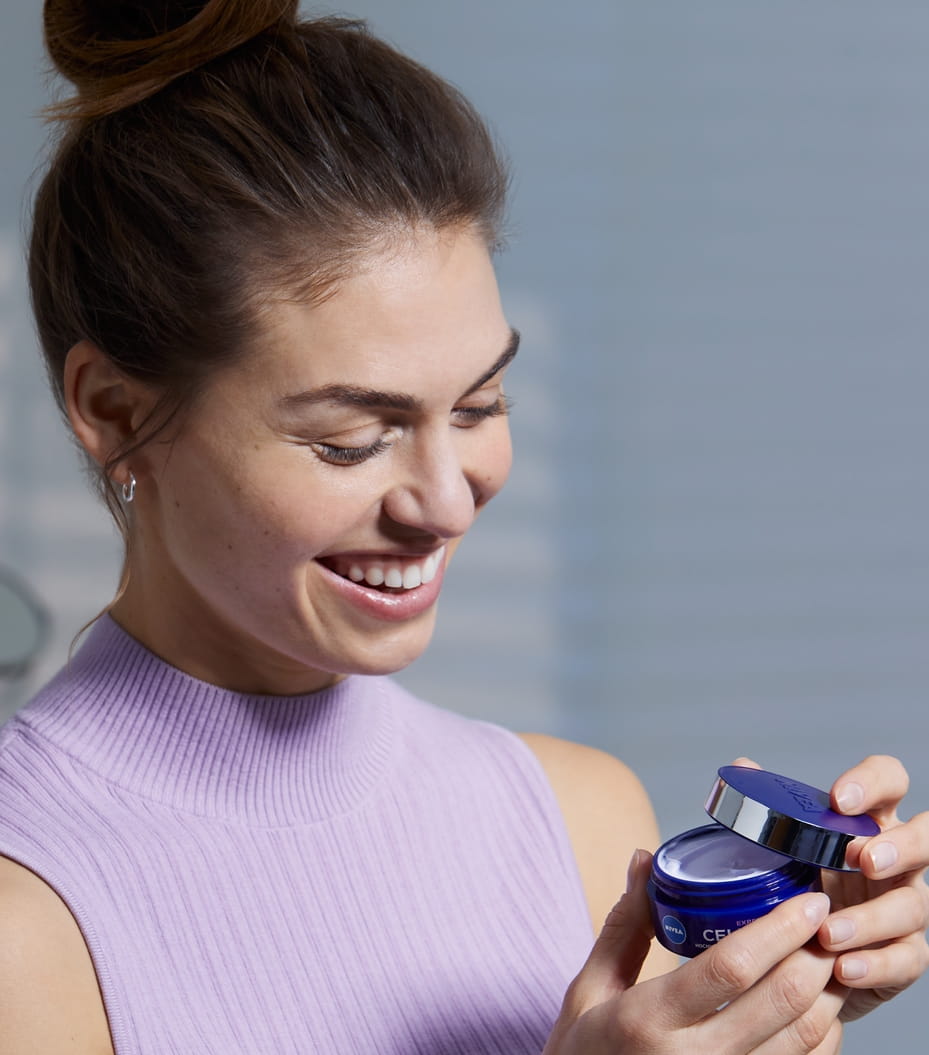
The NIVEA Cellular Range offers products containing Hyaluronic Acid to target signs of ageing skin.
The NIVEA Cellular Range offers products containing Hyaluronic Acid to target signs of ageing skin.
WHAT IS HYALURONIC ACID
ΤΙ ΚΑΝΕΙ ΤΟ ΥΑΛΟΥΡΟΝΙΚΟ ΓΙΑ ΤΟ ΔΕΡΜΑ
8 SKIN BENEFITS OF HYALURONIC ACID
1
Moisturises the skin
Hyaluronic acid moisturizes the skin. When applied to the skin, all layers absorb significant revitalizing hydration from Hyaluronic Acid, which penetrates the skin and binds water to skin cells.
2
Defines contours
It is quite normal for facial contours to soften as people age. The main cause of this is the skin losing Collagen and Elastin, which are the main components of the face’s skin structural integrity. The use of products containing Hyaluronic Acid help you to maintain firmness for longer, and makes skin appear plumper.
3
Plumps skin
With age, the skin on the face loses its fullness. This is especially true on the cheeks and jawline. Concentrated formulas with Hyaluronic Acid act as a volume dispenser that can help to plump cheeks and promote a more youthful appearance.
4
Adds radiance:
Hyaluronic Acid provides added hydration and fortifies the skin's protective barrier, contributing to a youthful complexion through improved cell health and helping to boost natural radiance.
5
Smooths skin
While it is not possible to entirely prevent wrinkles as you age, you can influence how pronounced they become. Creams and serums with Hyaluronic Acid provide your skin with optimal moisture, reducing existing wrinkles and delaying the formation of new ones. These anti-wrinkle properties come from its ability to retain large amounts of water. Hyaluronic Acid helps skin stay moisturized, 'filling in' existing wrinkles to reduce their appearance.
6
Firms skin
Young skin is firm and plump. However, over time, it loses more and more of its elasticity. Care products containing Hyaluronic Acid may help to slow down this process.
7
Healing
Applying Hyaluronic Acid to wounds may help to reduce their size on the surface of the skin, and aid with pain relief in these areas. Hyaluronic Acid is naturally present in the skin, and its production increases in case of open wounds, which may help speed up the healing process. The ingredient can help to regulate the inflammation levels and cause the body to build more blood vessels in the injury location. Please note that NIVEA products are not formulated for this purpose.
8
Antioxidant properties
Hyaluronic Acid is a potent antioxidant that fights the free radicals in your body, but it is arguably best known for its capacity to hold water in cells, which may help to keep skin looking healthy.
FORMS OF HYALURONIC ACID
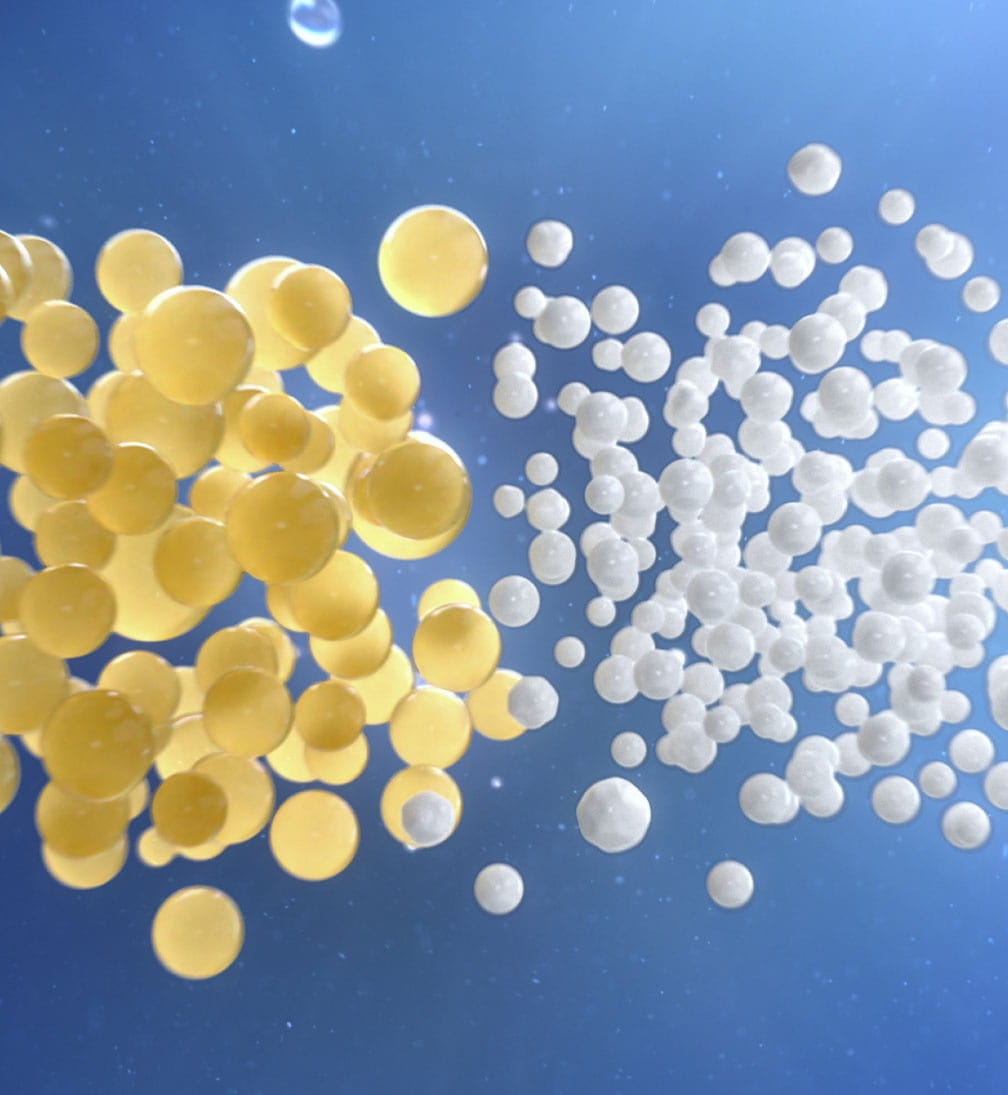
Hyaluronic Acid is distinguished between short-chain and long-chain forms:
HOW TO USE HYALURONIC ACID
WHICH FORMS WORK BEST?
HYALURONIC ACID
Facts Overview
HYALURONIC ACID 5-STEP SKINCARE ROUTINE TO FADE WRINKLES & SIGNS OF AGEING
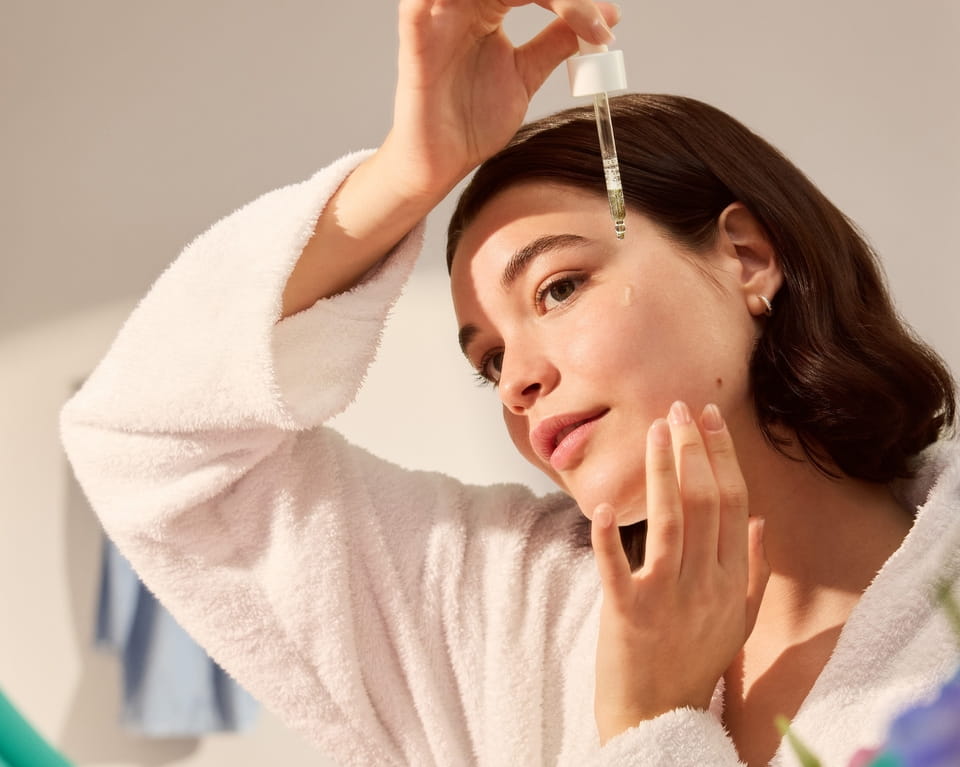
Hyaluronic Acid can be found as a key ingredient in many products, the most popular being day creams, night creams, face masks, serums, eye creams and cleansers.
As it is a natural substance that the human body has the capability to produce, you can use Hyaluronic Acid more than once in your 24-hour skincare routine. This will help to keep your skin hydrated, and may also help to reduce signs of ageing.
The following skincare routine can help you reduce signs of aging, whilst firming and plumping skin:
As it is a natural substance that the human body has the capability to produce, you can use Hyaluronic Acid more than once in your 24-hour skincare routine. This will help to keep your skin hydrated, and may also help to reduce signs of ageing.
The following skincare routine can help you reduce signs of aging, whilst firming and plumping skin:
Incorporating Hyaluronic Acid into Your Body Care Routine
HYALURONIC ACID FOR SPECIFIC SKIN CONCERNS
USING HYALURONIC ACID UNDER YOUR EYES TO REDUCE DARK CIRCLES
Skin-plumping Collagen and hydrating Hyaluronic Acid are key to diminishing dark circles under the eyes. Thinning skin and dull, dehydrated under-eye skin are common companions of dark circles under the eyes – and Hyaluronic Acid may help reduce them.
The NIVEA Luminous630 range offers products such as the Luminous630 Even Glow Eye Serum enriched with Caffeine and Hyaluronic Acid to depuff tired eyes and reduce eye bags.
The NIVEA Luminous630 range offers products such as the Luminous630 Even Glow Eye Serum enriched with Caffeine and Hyaluronic Acid to depuff tired eyes and reduce eye bags.
HYALURONIC ACID FOR SPECIFIC SKIN CONCERNS
DOES HYALURONIC ACID FADE DARK SPOTS?
Summary
Thanks to its many benefits, such as moisturising and plumping effects, Hyaluronic Acid helps to keep a youthful and radiant appearance when applied daily. Suitable for all skin types, this ingredient can easily be integrated into your skincare routine to target common skin concerns.
Combined with ingredients such as Folic Acid and Bakuchiol, which can be found in NIVEA Cellular Products, Hyaluronic Acid may offer better performing results, supporting cell growth, Collagen production and skin moisture retention at the same time.
Combined with ingredients such as Folic Acid and Bakuchiol, which can be found in NIVEA Cellular Products, Hyaluronic Acid may offer better performing results, supporting cell growth, Collagen production and skin moisture retention at the same time.