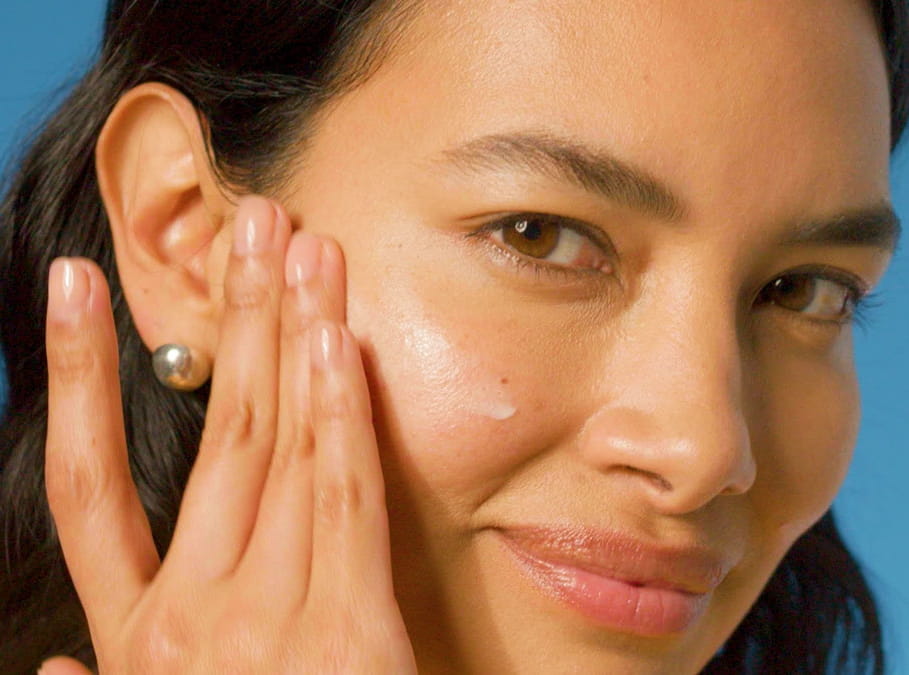
Two women posing with natural looks

How to Repair Skin Barrier for Healthier Skin

Discover the signs of a broken skin barrier, how to repair skin barrier issues with simple care tips, and ways to strengthen your hydrolipid barrier naturally.

How to Help Repair a Broken Skin Barrier

Your skin barrier plays a vital role in keeping healthy appearance This guide will help you understand what the skin barrier is, how to recognise when it’s weakened, and the simple steps you can take to help protect it.

What is a Hydrolipid Barrier?

What is the Skin Barrier?

Women touching her cheeks for showing clear skin

The skin barrier is your first line of defense against external irritants, pollutants, and bacteria. It protects your skin while maintaining hydration, softness, and resilience.

The skin is made up of three main layers:

  • Epidermis – the outer layer that you can see and touch.
  • Dermis – the middle layer that gives your skin strength and flexibility.
  • Hypodermis – the deepest layer that helps regulate temperature and supports the layers above.

At the very surface of the epidermis lies the stratum corneum, also known as the skin barrier. It’s made of tightly packed cells held together by natural oils, creating a “brick and mortar” structure that locks in moisture and keeps out irritants.

On top of this sits a thin hydrolipid film, a mix of natural oils, sweat, and dead skin cells. This layer helps your skin stay soft, hydrated, and protected, while also supporting the skin microbiome – a group of good bacteria that helps defend against harmful ones.

Your skin naturally renews itself every two to four weeks, keeping the barrier strong and healthy.

What is a Hydrolipid Barrier?

What is the Skin Barrier?

The skin barrier is weakened when the Hydrolipid film or the bonds between the cells of the stratum corneum are compromised. When this happens, skin struggles to retain moisture and repair itself naturally.

Supporting the natural repair of the Hydrolipid barrier helps improve skin elasticity. It also protects skin from irritants, moisture loss, and environmental stress.
Signs of a weakened Hydrolipidic barrier

5 Signs of a Weakened Skin Barrier

1
Dry, flaky skin

Skin may feel dry, rough, or uneven as it struggles to retain moisture.

2
Redness or irritation

The skin can look a little flushed or feel sensitive, especially when exposed to new products or environmental changes.

3
Increased sensitivity

Fragile skin may react more easily to everyday products, weather, or friction.

4
Dull skin

The skin may appear greyish and dull, with an uneven complexion that lacks radiance.

5
Itchiness or stinging

You might notice gentle stinging or itchy sensations, particularly after showering or applying products.

What causes a damaged Hydrolipidic film?

5 Causes of a Damaged Skin Barrier

Understanding what weakens the skin barrier can help you to protect it. Here are some common causes of hydrolipidic film damage.


1. Over-cleansing or Excessive Exfoliation

Using cleansers or exfoliators with strong active ingredients or fragrances too often can dry out the skin, leaving it tight, irritated, and vulnerable. To protect your skin barrier, cleanse gently twice a day - morning and night - and exfoliate no more than 2–3 times a week. Always follow the product instructions and keep skin hydrated.

2. Environmental Conditions

Extreme temperatures, pollution, and UV rays can damage skin cells and lipids, making it harder for skin to retain moisture and defend itself. Protecting your skin daily and supporting its natural defenses can help strengthen the skin barrier.
half face covered women smiling
A woman in a white tank top smiling and applying lotion

3. Medical Conditions

Some skin conditions may require treatments that can sometimes cause dryness or itchiness, contributing to a damaged skin barrier. Consult a healthcare professional for advice on managing these effects safely.

4. Lifestyle Factors

A diet high in sugar, salt, and unhealthy fats, along with smoking or excessive alcohol consumption, can lead to inflammation, oxidative stress, and nutrient deficiencies - all of which may contribute to a weakened skin barrier.

5. Ageing

As we age, the hydrolipid barrier naturally thins, and the skin produces fewer oils and lipids. This can cause dryness, roughness, and sensitivity, making it harder for skin to retain moisture and maintain resilience.
How to help repair the skin barrier

Facts Overview

What is a Weakened Skin Barrier?: A weakened skin barrier means that the hydrolipidic film or the bonds that hold the cells of the stratum corneum together are compromised, making the skin barrier less able to retain moisture and protect itself from external aggressions. 

Signs of a Weakened Skin Barrier: Common signs include dryness, tightness, redness, sensitivity, and uneven skin texture. 

Weakened Skin Barrier Causes: Over-cleansing, harsh skincare, weather changes, and lifestyle factors like stress or lack of sleep can all disrupt the skin barrier. 

How to Help Repair the Skin Barrier:Gentle cleansing, hydrating serums, nourishing moisturizers, and daily SPF support repair and help keep the barrier strong.

How can you support the repair of the skin's Hydrolipidic barrier?

5 Tips on How to Strengthen the Skin Barrier

1. Keep your skin hydrated

Use moisturizers and serums that contain ingredients such as ceramides or Hyaluronic Acid. They help form a moisturizing film on the skin's surface, nourish the skin, strengthen firmness, and support the skin barrier's natural repair process.

2. Be gentle with exfoliation

Avoid daily use of harsh exfoliants, especially if you have fragile skin, as over-exfoliation can strip natural oils and disturb the skin barrier function.

3. Choose products carefully

Limit the use of skincare with alcohol, strong fragrances, or other potentially irritating ingredients, especially if you have sensitive skin. Gentle formulations help support the skin barrier regeneration process without causing further stress.

4. Support your skin from within

A balanced diet rich in vitamins, antioxidants, and healthy fats can help strengthen the skin barrier and promote skin resilience over time.

5. Protect your skin with SPF

Daily sunscreen shields the skin's natural barrier from UV rays and environmental stress. Daily use of SPF helps protect the skin barrier, thereby helping keep the skin hydrated.
Women embracing with joyful smiles

NIVEA’s Routine to Help Strengthen the Skin Barrier

A simple, consistent routine can help support and strengthen your skin barrier, helping to keep it protected every day.

A close-up of a smiling woman with curly hair

Step 1: Gently Cleanse (AM & PM)

Cleansing is the essential first step in supporting a healthy skin barrier. It removes impurities, excess oil, and traces of makeup accumulated on the skin. A gentle approach helps maintain the hydrolipidic film, leaving skin soft, hydrated, and balanced. 

If you’re using a rinse-off cleanser, apply a small amount to damp skin, massage in with gentle circular motions, and rinse thoroughly with lukewarm water. Finish by patting your skin dry with a soft towel, without rubbing. For Micellar Water, soak a cotton pad and sweep it over your face - no rinsing required. 
 
NIVEA facial cleansers are specially formulated to clean without over-drying, helping your skin stay nourished and comfortable. Whether you prefer a refreshing gel, a cleansing milk, or hydrating Micellar Water, there’s a cleanser to suit all skin types. 

Step 2: Apply a Targeted Serum (AM)

Once your facial skin is gently cleansed, the next step is to support and strengthen your skin barrier with a targeted serum. You want to apply a face serum before your moisturizer, while your skin is still damp from cleansing, to enhance its absorption. 
 
To apply it to your skin, use 2 to 3 drops of face serum and gently pat it onto your face and neck. Try gently patting the serum rather than rubbing it to maximize absorption. 
Then give it one to two minutes to fully absorb before applying a nourishing facial moisturizer. 

NIVEA serums are lightweight yet powerful, designed to target specific skin needs such as hydration, brightness, or barrier support. With concentrated active ingredients in fast-absorbing formulas, they deliver visible results while caring for your skin’s natural balance
women applying face serum
women applying moisturiser

Step 3: Moisturise (AM)

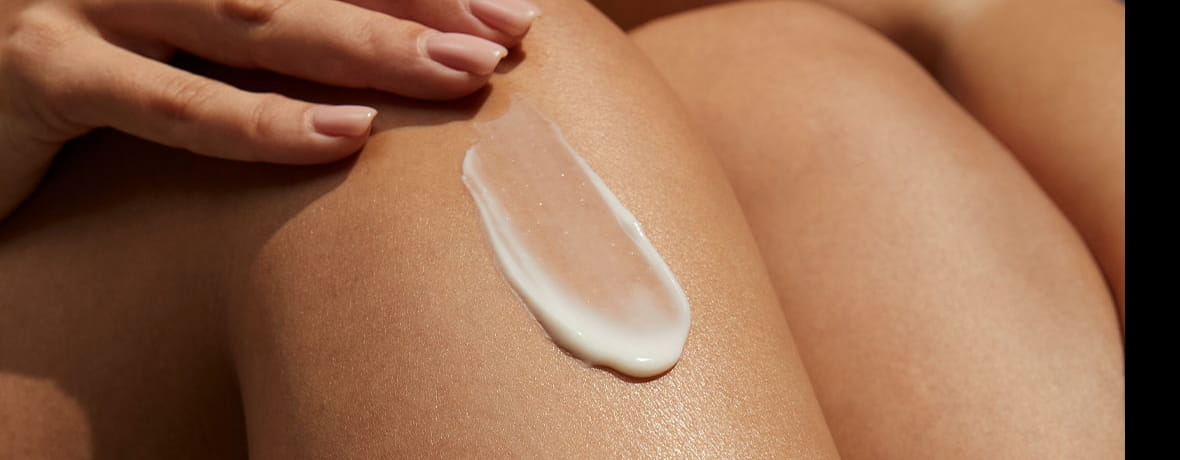
While your face needs targeted care, it’s just as important to protect the skin barrier on your body. Daily moisturizing helps replenish lost hydration, strengthen the natural protective layer, and keep skin comfortable and resilient throughout the day. 

NIVEA Care Nourishing Cream is designed for dry skin on the face, body, and hands. Its lightweight yet rich formula provides intensive nourishment without a greasy feel, melting instantly into the skin for fast absorption. Enriched with Hydro Waxes, it helps deliver long-lasting moisture while leaving the skin soft, smooth, and comfortable. From the first use, this caring cream helps support the skin’s protective barrier, promoting soft, resilient skin and a healthy-looking glow.

Step 4: Sun Protection (AM)

Daily sun protection is important for maintaining a strong skin barrier. UV rays can weaken the skin barrier, causing dryness and sensitivity, and lead to long-term damage, including premature aging. Applying SPF each morning helps defend your skin against these effects, while supporting its natural resilience. 

NIVEA’s sun protection range offers broad-spectrum UVA and UVB defense while caring for your skin with added hydration. Whether you prefer a lightweight facial sunscreen that sits comfortably under makeup, a tinted formula for a natural glow, or an intensely moisturizing cream for extra care, there’s a product to suit your routine.  

Each formula is dermatologically tested, fast-absorbing, and designed for everyday comfort, so protection never feels heavy or sticky. Using a sunscreen you enjoy applying makes it easier to maintain daily protection, which is key for maintaining a healthy skin barrier over time. 
Women with curly hairs

Summary

Your skin barrier is essential for keeping skin strong, hydrated, and comfortable. When it becomes weakened, you may notice signs like dryness, sensitivity, or redness.  

The good news is that with gentle care, the right products, and daily protection, you can help strengthen a healthy skin barrier. From choosing hydrating cleansers and targeted serums to nourishing body creams and everyday SPF, NIVEA’s strengthening routine supports your skin every step of the way.


Frequently Asked Questions

Can you restore the skin barrier?

Yes. Repairing the skin barrier is a natural process that takes place within the skin. Using appropriate skincare products on a regular basis can help support and strengthen the skin's barrier function, thereby promoting its natural repair.

What is the chemical barrier of the skin?

The skin's chemical barrier comprises substances present on the skin's surface, including the hydrolipidic film, which contains a mixture of natural oils (sebum) and sweat, and antimicrobial peptides. They help protect against harmful bacteria, pollutants, and irritants.

What is the mechanical barrier of the skin?

The mechanical barrier of the skin is its physical structure, mainly the outermost layer called the stratum corneum. This layer acts like a shield, preventing water loss and blocking external irritants or pathogens from entering the body.

How to regenerate the skin barrier?

It is possible to strengthen the skin barrier by using moisturizers, serums, and SPF protection, and nourish it from within with a balanced diet. Also, make sure you get 7 to 9 hours of sleep per night, as the regeneration process mainly takes place during this time.

How long does it take for a skin barrier to get repaired?

Repairing a weakened skin barrier can take time. In general, a few weeks are enough for the skin barrier to repair itself, but it may take longer in cases of specific skin conditions or regular exposure to irritants. If your skin still shows signs of a weakened skin barrier after several weeks of care, or if you have other more severe symptoms, consult your doctor or dermatologist for appropriate treatment.

Does Hyaluronic Acid repair skin barriers?

Although Hyaluronic Acid has no direct effect on the skin barrier, it can form a moisturizing film on the skin's surface, helping the skin to stay hydrated, plump, and more resistant. Low molecular weight Hyaluronic Acid may also promote cell renewal.

Does Collagen help repair skin barriers?

Collagen doesn’t directly repair the barrier, but it can help improve overall skin resilience and appearance. It supports skin structure and firmness, which helps maintain a strong mechanical barrier of the skin.

What does a disrupted Hydrolipid barrier look like?

A disrupted Hydrolipid barrier can manifest itself in dry, flaky skin or a feeling of tightness. You may also notice redness or increased sensitivity, particularly after applying products.