Young woman using Nivea deodorant

How to Sweat Less: Help for Excessive Sweating

Understand the causes of excessive sweating and uncover effective ways to manage it.

Why Do We Sweat?

Sweat is a natural bodily function that helps regulate body temperature and keep you cool. Produced by sweat glands throughout the body, sweat is mostly water and salt. 

So, when do we sweat? When your body temperature rises due to heat, exercise, or stress, your sweat glands release moisture onto your skin, which then evaporates to cool you down. While sweating is essential for maintaining your body’s temperature, excessive sweating can be uncomfortable when it occurs more than necessary.

What Is Excessive Sweating?

Excessive sweating, also known as hyperhidrosis, is a condition where the body produces more sweat than is necessary for temperature regulation. While sweating is a natural mechanism for cooling the body, individuals with hyperhidrosis experience excessive sweating that can occur even without typical triggers such as heat, exercise, or stress. Understanding excessive sweating causes is essential for identifying appropriate treatment options and how to reduce sweating.

6 Causes of Excessive Sweating

Recognising your triggers is the first step in learning how to prevent sweating effectively. Common causes of excessive sweating include:
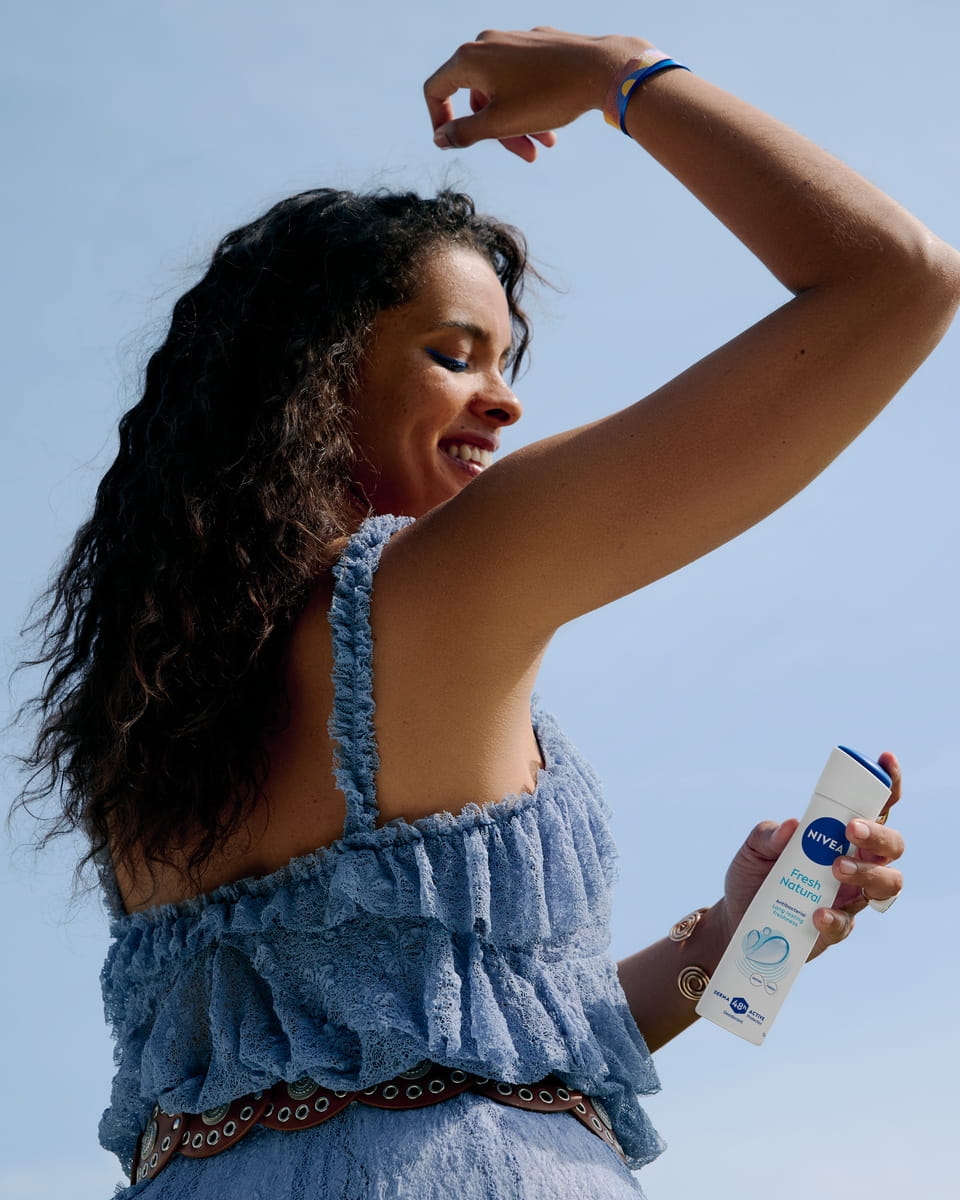
Young woman using Nivea Fresh Natural deodorant
1
Primary Hyperhidrosis:

This type is often hereditary, meaning if a relative has it, you might too. Other than genetics, there are usually no obvious causes, and it typically affects localised areas such as the hands, feet, and face.

2
Secondary Hyperhidrosis:

This type of excessive sweating is usually caused by underlying health conditions such as heart disease, diabetes, obesity, or anxiety. Unlike primary hyperhidrosis, it often affects the entire body rather than specific areas. It can also occur during sleep as night sweats, which are often triggered by hormonal changes, medications, or underlying health conditions. Please seek medical attention if you’re worried or experiencing symptoms.

3
Environmental Factors:

High temperatures, humidity, and physical exercise can cause the body to sweat more than usual. Your body’s natural cooling process activates to maintain a balanced temperature. 

4
Emotional Stress:

Anxiety, nervousness, or emotional triggers can result in increased sweating. This is often most noticeable in social or stressful situations.

5
Medical Conditions:

Conditions like hyperthyroidism, diabetes, or menopause can cause excessive sweating. If you are concerned about excessive sweating, it’s recommended that you consult a doctor to identify potential underlying causes and receive appropriate treatment.

6
Diet & Lifestyle:

Spicy foods, caffeine, and alcohol can trigger excessive sweating by stimulating the nervous system, raising body temperature, and increasing heart rate.

Who Sweats More? – Men or Women

You might have noticed that some people seem to sweat more than others—and yes, gender can play a part. On average, men do tend to sweat more than women, especially during exercise. This is primarily due to natural differences in body composition and hormones. Men typically have more muscle mass and higher testosterone levels, which can lead to a greater number and size of sweat glands. However, individual factors such as fitness level, temperature, and stress can also affect how much we sweat. Therefore, while general trends exist, sweating remains a highly individual experience.
Excessive Sweating

Facts Overview

Causes of Excessive Sweating:
Hyperhidrosis is excessive sweating caused by heat, stress, or underlying health conditions, and can be classified as either primary or secondary. 

Preventions for Excessive Sweating: 
Use antiperspirants, wear breathable fabrics, stay hydrated, manage stress, and avoid sweat-triggering foods like caffeine and spices.  

Solutions for Controlling Excessive Sweating: 
Antiperspirants can help control sweat and odour, but persistent cases may require advice from a healthcare professional.

How To Help Sweat Less

Sweating is a natural bodily function and can’t be prevented entirely. However, if you’re looking for ways to manage excessive sweating, here are some practical tips that might help you reduce the amount that you do.
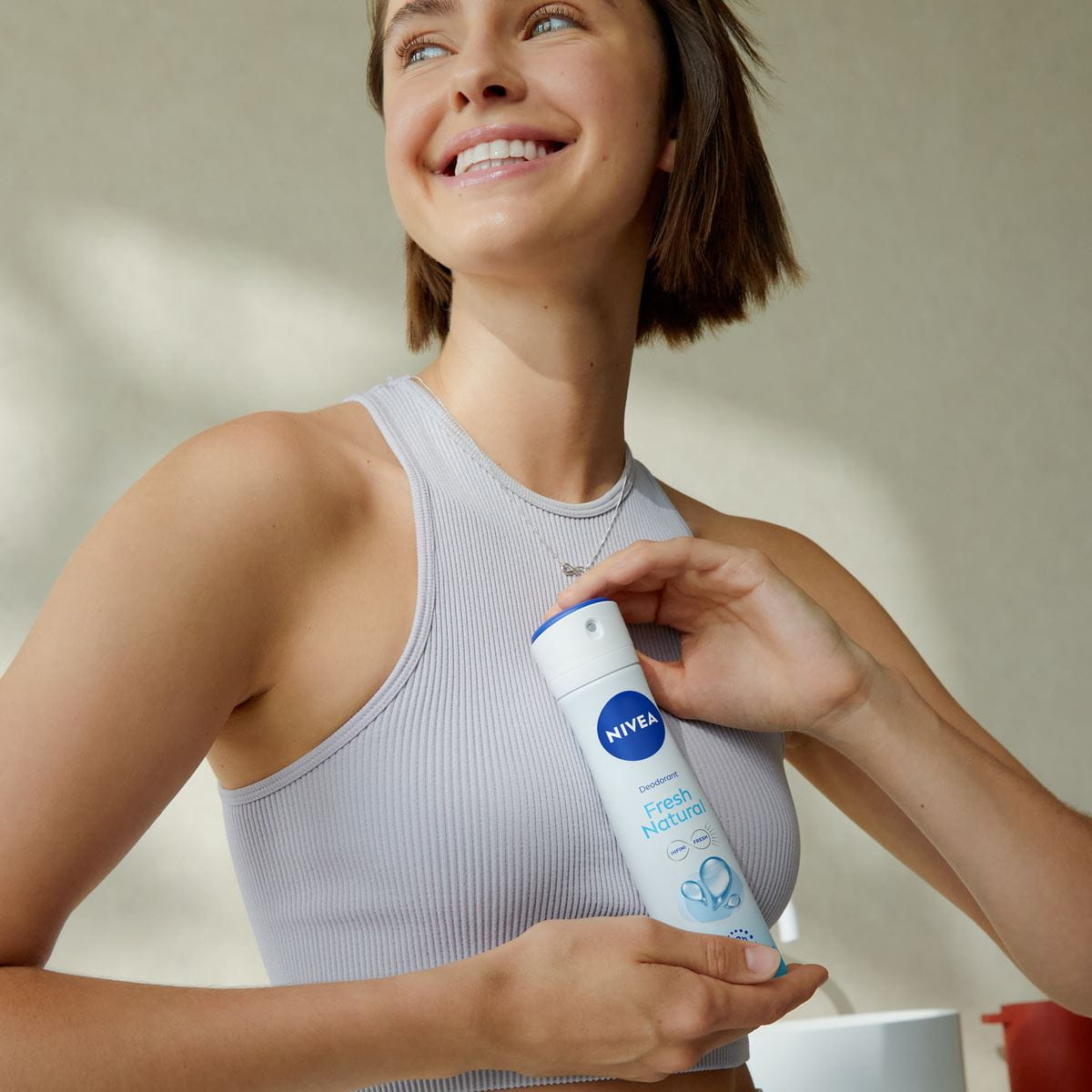
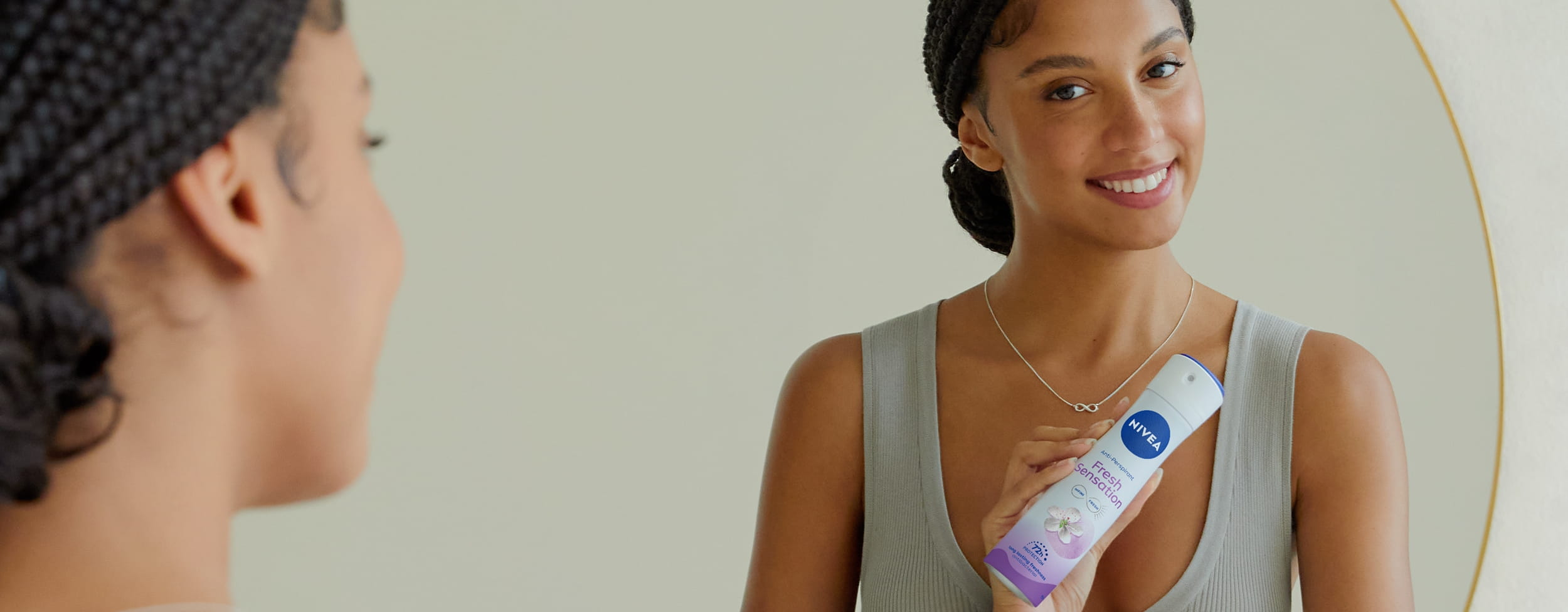
Young woman using Nivea Fresh Sensation deodorant

Use Effective Deodorants & Antiperspirants:

NIVEA antiperspirant deodorants are expertly formulated to offer reliable protection against sweat and body odour. You should know how to apply antiperspirant and what type suits you best. Whether you prefer a quick-drying spray, ideal for on-the-go freshness and strong sweat control, or a gentle roll-on that provides targeted, long-lasting protection, there’s a format to suit every routine and help you feel fresh and confident throughout the day. 

Wear Breathable Fabrics:

Opt for lightweight, moisture-wicking materials to help keep your skin dry. Natural fibres like cotton and linen are particularly effective in reducing sweat buildup.

Stay Hydrated:

Drinking enough water helps regulate body temperature and can reduce sweating. Aim for around 6–8 cups (1.5-2 litres) of water a day, depending on your activity level and environment. Staying well-hydrated also supports overall health and well-being.

Manage Stress:

Practising relaxation techniques like deep breathing or meditation can help lower stress levels. Reduced stress can mean less sweating triggered by anxiety or nervousness.

Your Diet:

Avoid consuming foods and drinks that trigger sweating, such as caffeine, alcohol, and spicy foods. Making healthier dietary choices can significantly reduce excessive sweating. 

Regular Showers:

While a shower routine won’t prevent sweating, maintaining a consistent hygiene routine helps wash away sweat, bacteria, and odour, leaving your skin feeling clean, fresh, and comfortable. Using a caring body wash, such as one with a delicate floral fragrance or a refreshing citrus scent, not only cleanses but also nourishes the skin. A creamy, moisturising body wash infused with nourishing ingredients like Almond Oil, which is rich in antioxidants, can help you feel more confident and refreshed, especially after a hot day or workout. 

Discover NIVEA Derma Control Deodorants
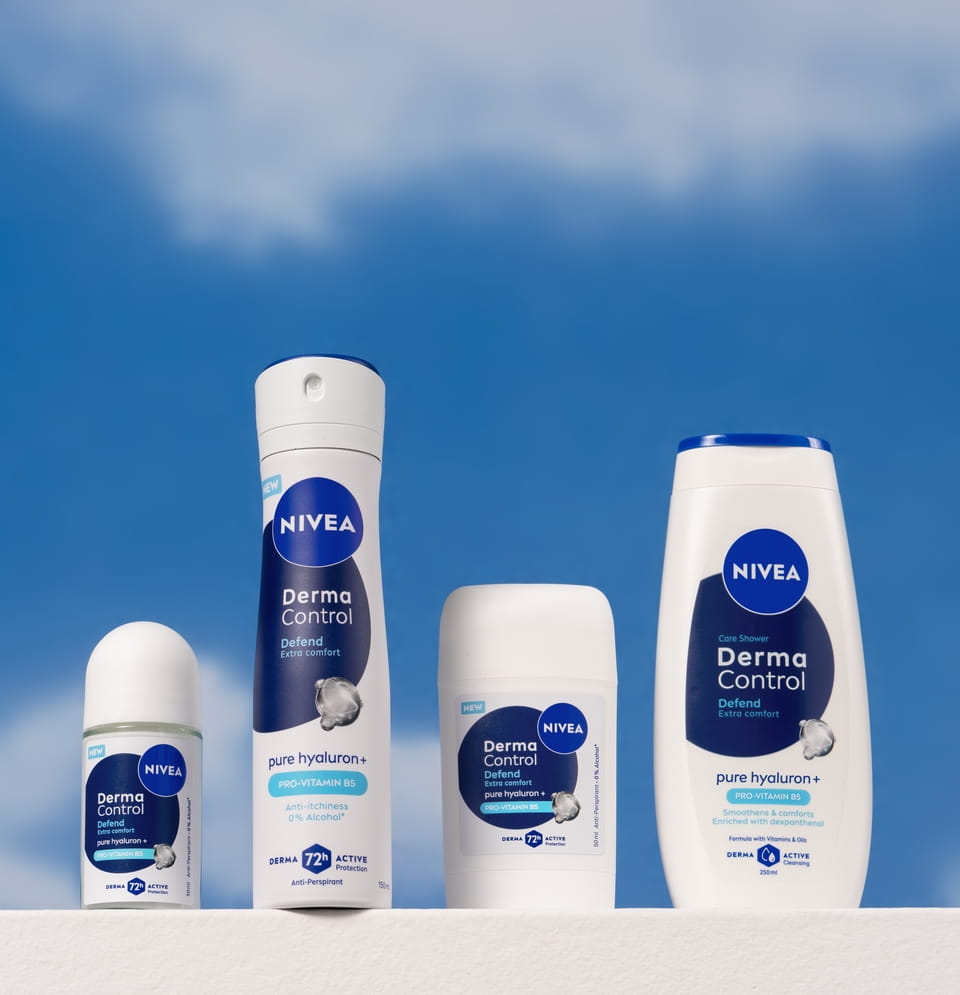
If you experience excessive sweating and have sensitive skin, the NIVEA Derma Control Deodorant range is designed with you in mind. This advanced formula is the first of its kind to combine Hyaluron and skin-essential vitamins, delivering powerful 72-hour protection while being exceptionally gentle on the skin. Available in spray, stick, and roll-on formats, Derma Control not only helps to tackle sweat and odour but also helps prevent irritation before it starts—so you can feel dry, calm, and confident all day. Find the right deodorant for you:

NIVEA Derma Control Defend: The NIVEA Derma Control Defend range, with Pure Hyaluron and Pro-Vitamin B5, defends your skin against shaving irritation whilst providing extra comfort. 

NIVEA Derma Control Defend range

NIVEA Derma Control Natural Tone: The NIVEA Derma Control Natural Tone range, with Pure Hyaluron and Vitamin C, helps to reduce dark marks and recover an even skin tone. The anti-perspirants offer 72h sweat and odour protection whilst leaving your underarms softer and beautiful with a healthy skin feeling. 

Summary

Excessive sweating doesn’t have to control your life. By understanding its causes and learning how to sweat less with practical advice and reliable products such as the NIVEA deodorants, you can regain your confidence and feel fresh all day long.

FAQs

What products are best for controlling sweat?

NIVEA antiperspirants like the Derma Control range are ideal for sensitive skin, combining strong sweat control with gentle care. Available in sprays, roll-ons, and sticks.

How can I stop sweating so much at night?

Avoiding caffeine and alcohol before bed and using breathable bedding can help reduce night sweats. Making your sleeping environment cooler can also help.

Can anxiety cause excessive sweating?

Yes, anxiety can activate the body’s fight-or-flight response, leading to increased sweating. Managing stress through relaxation techniques can help reduce sweating.

Can losing weight help reduce excessive sweating?

Yes, maintaining a healthy weight can help lower the amount of sweat your body produces. Eating a balanced diet and exercising regularly can improve overall health and help to reduce sweat production.

Does drinking more water reduce sweating?

Staying hydrated helps regulate your body's temperature, which can minimise excessive sweating. Drinking water throughout the day can help keep sweating under control. Aim for around 6–8 cups (1.5 to 2 litres) of water a day, depending on your activity level and environment.

Can shaving armpits help reduce sweating?

If you’re wondering how to stop armpits from sweating, shaving them does not reduce sweating, but it can help minimise odour by preventing bacteria from lingering on hair. It also allows deodorants and antiperspirants to work more effectively.