Skin
pigmentation
Pigment spots are a common skin concern that may appear as darker patches or visible discolouration on the face and body. They can gradually develop over time due to factors such as sun exposure, hormonal changes, post-blemish marks and the natural processes of skin ageing.¹
They are caused by uneven melanin activity in the skin and often become more noticeable in areas frequently exposed to sunlight, such as the face, hands and décolletage.²
While they can vary in appearance and intensity, pigment spots are a common form of hyperpigmentation that can affect many skin types.
3 Common Types & Causes Of
Pigment spots
Pigment spots can develop over time due to internal skin responses and external factors. These influences affect how pigment is produced and distributed in the skin, leading to visible darker patches or discolouration

- Sun Spots (Related to UV Exposure)
Prolonged exposure to UV rays is one of the most common causes of pigment spots. UV light stimulates melanin production as a natural protective response, which can lead to uneven pigmentation over time. This is especially common in areas frequently exposed to sunlight, such as the face and hands, resulting in sun spots.³
- Melasma (Often Associated with Hormonal Changes)
Hormonal fluctuations can increase the skin’s sensitivity to pigment production, leading to patchy areas of discolouration, most often on the face. This type of pigmentation, known as melasma, is commonly associated with changes such as pregnancy or hormonal shifts.⁴
- Post-Blemish Marks (Related to Skin Inflammation)
After breakouts or irritation, the skin may produce excess melanin during the healing process. This can leave temporary marks that remain visible even after the blemish has healed.⁵
FACTS OVERVIEW
Causes of Pigment Spots: UV exposure, hormonal changes, post-blemish marks, ageing and environmental stressors may contribute to areas of uneven pigmentation.
Types of Pigment Spots: Common types include sun spots, post-blemish marks and hormonally influenced pigmentation spots (melasma).
Prevention Tips: Daily SPF use and limiting UV exposure can help reduce new pigment spot formation in the skin.
How to Care for Pigment Spots: Gentle cleansing, exfoliation and hydration can help reduce the appearance of visible pigment spots over time.
2 Key Ways To Help Reduce
Pigment spots
Pigment spots may not always disappear completely, but the following steps can help improve their appearance over time:
Targeted skincare ingredients can help improve the appearance of visible pigment spots over time when used consistently.⁶ They work by helping to support skin renewal, hydration and a more even-looking skin tone, while helping to visibly refine areas of uneven pigmentation.
Commonly used ingredients in pigmentation-focused skincare include:
- Thiamidol®: A patented ingredient found in most products across the NIVEA Luminous630® range. Clinically proven, it works in harmony with the skin at a cellular level to help reduce the appearance of dark spots and help prevent the appearance of new ones.
- Vitamin C: An antioxidant ingredient often used to help support a more even-looking complexion and combat free radicals linked to environmental stressors such as UV exposure and pollution.⁷
- Exfoliating Acids: Such as AHA and PHA, help support natural skin renewal by gently removing dead skin cells from the skin’s surface, helping improve overall skin texture and radiance.⁸


Gentle daily skincare may help support the skin barrier and maintain a more balanced-looking complexion over time.⁹ Consistent cleansing and hydration help remove impurities, support skin comfort and maintain the skin’s natural moisture balance.
Keeping the skin hydrated and well cared for may also help improve the appearance of uneven-looking skin linked to post-blemish marks and daily environmental exposure.
Finally, remember to help protect your skin from the sun by limiting prolonged sun exposure, especially during the hottest part of the day, and applying sunscreen regularly. UV rays are one of the main factors associated with the appearance and darkening of age spots, making daily sun protection an important part of maintaining a more even-looking complexion.
How To Help Prevent
PIGMENT Spots
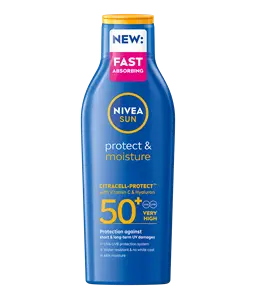
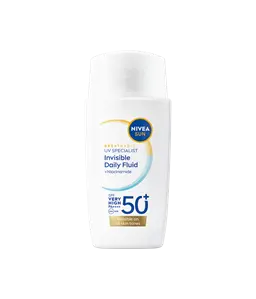
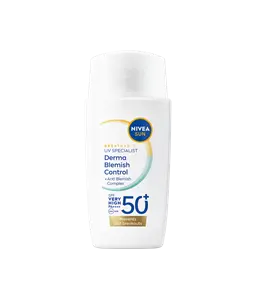
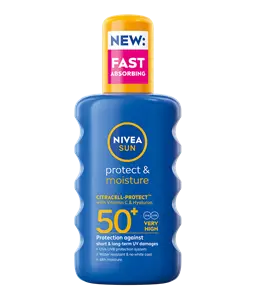
When it comes to pigment spots, prevention plays an important role in maintaining a more even-looking complexion. Daily SPF can help protect the skin from UV exposure, which is closely linked to the development of visible pigment spots over time.¹⁰
Additional sun protection habits, such as wearing hats, sunglasses and protective clothing, can also help limit everyday UV exposure during periods of strong sunlight.
How To Build A Routine For
Pigment spot-prone skin
A consistent skincare routine can help reduce the appearance of dark spots and support a more even-looking complexion over time. Cleansing, exfoliation, moisturising and targeted skincare ingredients can help improve skin tone while helping to prevent the appearance of future pigmentation.
Step 1: Cleanse
Cleansing helps remove SPF, waterproof make-up, excess oil and impurities that can affect skin clarity. Use NIVEA Serum Infused Micellar Water Luminous630® Skin Glow if you want to effectively remove make-up and impurities while visibly refining pores for a more even complexion. Formulated with 5% serum containing 1% PHA, Hyaluronic Acid and Guarana, it gently cleanses and helps leave skin feeling soothed and hydrated.
Step 2: Exfoliate
Gentle exfoliation helps remove dead skin cells and supports natural skin renewal, helping improve texture over time.¹¹ Use NIVEA Luminous630® Skin Glow Daily Liquid Exfoliant for gentle resurfacing that helps refine skin texture. The formula contains 4% AHA, 1% PHA and Aloe Vera, it leaves skin feeling smooth and renewed. 96% of women reported a more even-looking complexion.*
*self-assessment, 110 women.
Please Note: A slight tingling sensation may occur during use. Do not apply to irritated skin and avoid direct contact with the eyes. As this product may increase the skin’s sensitivity to the sun, it is recommended to use sunscreen and limit sun exposure. Use only one chemical exfoliant per day.


Step 3: Apply a Targeted Serum
Choose a serum formulated with ingredients proven to help reduce the appearance of dark spots. Thiamidol® is a patented NIVEA ingredient that works at a cellular level to help reduce the appearance of existing pigmentation and target all types of dark spots.* NIVEA Luminous630® Advanced Anti Dark-Spot Serum combines Thiamidol® with Hyaluronic Acid to help reduce the appearance of dark spots and promote a more even, radiant-looking complexion, with first visible results in as little as 7 days.**
*Dark spots caused by sun exposure, skin ageing and hormonal changes, including pregnancy and menopause.
**Self-assessment, 66 women, 8 weeks
Step 4: Care for the Eye Area
The eye area can show signs of pigmentation and fatigue, so targeted care helps improve the appearance of dark circles and puffiness. Use NIVEA Luminous630® Anti Dark-Spot Eye Treatment for a brighter, more youthful-looking eye area. Formulated with Thiamidol®, Hyaluronic Acid and Caffeine, it helps reduce the appearance of pigmentation irregularities associated with dark circles, while hydrating the delicate eye area and helping to reduce puffiness for a more radiant look.
Step 5: Moisturise and Protect
Moisturising helps support the skin’s barrier function and maintain optimal moisture levels. In addition, products containing ingredients effective against hyperpigmentation, such as Thiamidol®, can help promote a more even-looking complexion. During the day, it is also important to use a moisturiser with SPF to help protect the skin from UV rays, one of the main causes of hyperpigmentation.
- Day Care
- Night Care
*Dark spots caused by sun exposure, ageing, and hormonal imbalances like pregnancy and menopause.
Please Note: Use products containing Thiamidol® no more than four times per day. Even when using a daytime skincare product with SPF, it is important to limit sun exposure during peak hours, wear protective clothing and reapply sunscreen regularly to exposed areas. UV protection is one of the most effective ways to help prevent the appearance of dark spots.
Key Takeaways About Pigment Spots
Pigment spots are a common form of visible skin discolouration that can develop over time due to factors such as UV exposure, hormonal changes and post-blemish marks. Their appearance varies from person to person and is often more noticeable in areas frequently exposed to sunlight.
A consistent skincare routine that includes daily SPF, gentle cleansing and targeted ingredients can help support a more even-looking complexion and reduce the appearance of visible pigment spots over time.