What is the
UV Index Today?

What is the
UV Index?
The UV index indicates the strength of solar UV radiation, taking into account factors like the sun's position, ozone layer thickness, cloud cover, and elevation. Ranging from 0 (low) to 11+ (extreme), the scale helps you decide the level of sun protection you need.
A higher UV index means stronger UV rays and a greater risk of skin damage, making sun protection even more important. Here's what each level signifies:
What is the UV Index today:
Search local UV Index
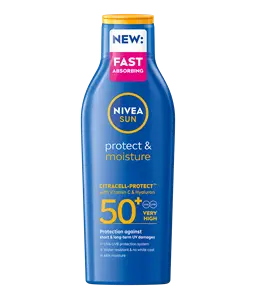
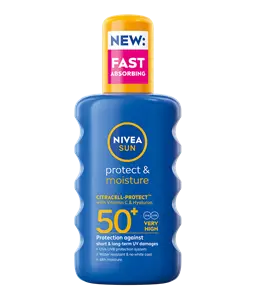
The NIVEA Sun Protect & Moisture Pump Spray SPF 50+ gives you advanced sun protection with a very high SPF (SPF50+) to help shield your skin against harmful UVB rays, as well as UVA protection. The formula hydrates and moisturises your skin for up to 48 hours* and is enriched with Vitamin E, Vitamin C and Hyaluron. On top of that, it is water-resistant and easy to apply.
Make sure you apply sunscreen generously on all exposed parts of your body, and reapply every two hours, or more often after swimming or sweating.
*Instrumental evaluation, 35 women, 2022

UV Index
What is the UV Index?
The UV Index measures the sun's UV radiation strength, indicating the potential risk to the skin.
Benefits of UV Protection:
Reduces the risk of skin damage, helps prevent premature ageing caused by the sun, and maintains an even skin tone.
How to Protect:
Use broad-spectrum sunscreen with a high to very high SPF (SPF 30 or 50+), wear protective clothing, and avoid peak sun hours (10 am - 4 pm).
Who Needs Protection?
Everyone should practise sun safety all year round to minimise the effects of UV exposure, including children and babies.

What is a
UV Ray?
Moderate sun exposure plays a vital role in Vitamin D production, essential for calcium absorption, bone health, immune function, and mood regulation. However, alongside Vitamin D production the sun exposes us to ultraviolet (UV) radiation, which can harm the skin. Sun protection is essential and studies have shown that its use has a limited impact on vitamin D levels.
A UV ray is a form of electromagnetic radiation emitted by the sun. While invisible to the naked eye, a UV ray significantly affects the skin, causing tanning, sunburn, and other changes. Protecting your skin begins with understanding the effect of the UV ray, using sunscreen effectively, and leveraging the UV index to make informed choices for safe sun exposure.
UV Rays
- UVA Rays:These penetrate deep into the skin and can cause long-term skin damage such as photoageing or premature ageing.
- UVB Rays:These are the primary cause of sunburn and play a significant role in the development of skin conditions, such as skin cancers.
- UVC Rays:The ozone layer filters out almost all UVC light, so it does not reach the Earth's surface. This is why sunscreen does not need to protect us against it.
Skin Health
UV rays can have both positive and negative effects on the skin, impacting it in the short and long term. Short-term exposure to UV light can result in sunburn or temporary tanning, while prolonged exposure contributes to loss of skin elasticity, dark spots, wrinkles and an increased risk of skin conditions.
NIVEA UV Face Specialist Invisible Daily Fluid SPF 50+
This lightweight, fast-absorbing formula provides superior broad-spectrum UVA and UVB defence, shielding your skin from harmful sun rays while helping to prevent premature ageing and skin damage. Designed for everyday use, it features key ingredients like Licochalcone A, an antioxidant which helps boost the skin's own defence.
With its ultra-light formula and invisible finish, it seamlessly integrates into your skincare routine and is suitable for use under make-up.