What Is Sebum and
Can You Reduce Excess Production?
What Is
Sebum?
It also shields against bacteria, fungi, and environmental pollutants, thus helping to prevent infections and skin damage. Additionally, it contributes to the skin's texture and shine, helping to provide a healthy-looking appearance.
What Are
Sebaceous Glands?

Sebum is essential for skin health thanks to the moisture and protection it provides. However, when sebaceous glands produce more sebum than necessary, it can lead to various skin concerns such as:
- Oily skin: An overabundance of sebum can result in a shiny or greasy appearance on the skin's surface.
- Breakouts: Excess sebum can combine with dead skin cells and clog pores, creating an environment where acne-causing bacteria thrive. This often leads to the formation of pimples, blackheads, and whiteheads.
- Enlarged pores: Pores may become visibly enlarged due to the accumulation of sebum and debris, which stretches the skin around the pores.
4 Common Causes of Excess Sebum Production
- Hormonal Changes:
Fluctuations in hormones, such as during puberty, menstruation, pregnancy, or menopause can increase or decrease sebum production depending on the case.
- Diet:
Certain foods, particularly those high in carbohydrates, saturated fats and dairy products could promote sebum production or alter its composition.
- Stress:
Psychological stress can trigger hormonal responses, and therefore have an effect on sebum production.
- Genetic Factors:
Family history and genetics play a role in determining how active sebaceous glands are and their tendency to produce excess sebum.
7 Areas Commonly Affected by
Excess Sebum

- Forehead:
The forehead is a common area for the appearance of blemishes due to its high number of sebaceous glands. The forehead is part of the T-zone, which tends to be oilier than other parts of the face.
- Nose (T-Zone):
The nose is another key component of the T-zone, where sebaceous glands are more active. The combination of excess sebum production and exposure to environmental pollutants can easily lead to clogged pores here.
- Chin:
The chin, also part of the T-zone, is susceptible to clogged pores. Hormonal changes often impact this area, increasing sebum production and the likelihood of blockages.
- Upper Back:
The upper back has a high density of sebaceous glands, making it a common area for clogged pores and acne breakouts. This condition is often referred to as "back acne".
- Shoulders:
Similar to the upper back, the shoulders have numerous sebaceous glands that are likely to release excess sebum and encourage the appearance of imperfections, particularly in individuals who sweat heavily or wear tight clothing.
- Chest:
The chest area can also experience clogged pores, especially in those who are prone to body acne.
- Scalp:
Although less visible, the scalp has many sebaceous glands that can become clogged, leading to conditions like scalp acne.
SEBUM
Sebum: A natural, oily substance produced by sebaceous glands that keeps skin moisturised and protected.
Excess sebum: Can lead to oily skin, acne, and enlarged pores, often caused by hormonal changes, diet, stress, and genetics.
Clogged pores: Result from excess oil from sebaceous glands, dead skin cells, and impurities, causing common skin issues such as pimples and blackheads.
Management: Regular skin cleansing accompanied by the use of moisturisers adapted to oily skin can help control sebum levels and prevent pores from becoming clogged.
Can Sebaceous
Glands Get Clogged?
5 Ways to
Identify Clogged Pores

The primary consequence of clogged pores is the development of blemishes. When pores are blocked, it creates an ideal environment for bacteria to thrive, which can lead to blemish breakouts.
Pores that appear larger or more noticeable than usual, often accompanied by a shiny or greasy appearance on the skin's surface. If you have wrinkles with visible pores, try the NIVEA Q10 Anti-Wrinkle Pore Minimising Day Cream SPF 15, formulated with Pure Q10 + Algae Extract to help minimise pores, and mattify and refine the skin's appearance.
4 Tips in Case of Excess Sebum Production
- Stay Hydrated:Drink plenty of water throughout the day to help keep your skin hydrated.
- Manage Stress:Practice stress-reducing activities like yoga, meditation, or regular exercise. Stress can cause hormonal changes that can increase sebum production.
- Get Enough Sleep:Aim for 7–9 hours of sleep per night. Adequate sleep helps regulate hormones that can affect oil production.
- Avoid Touching Your Face:Minimise touching your face to reduce the transfer of oils and bacteria from your hands, which can contaminate pores and encourage the development of imperfections.
Skincare Routine to Help
Eliminate Sebum Excess

Start by washing your face with a cleanser specifically made for blemished skin containing salicylic acid, such as the NIVEA Clear Up Wash Gel. This removes make-up and dirt clogging the skin pores, preventing the recurrence of blemishes. Gently massage it into a damp face, being careful around the delicate eye area, and rinse off.
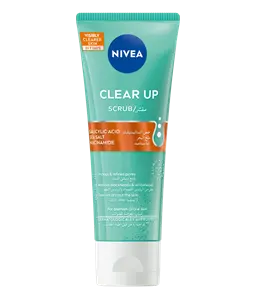
Use a gentle scrub like the NIVEA Clear Up Non-Blemish Face Scrub, with the ingredients salicylic acid and niacinamide which help to free the pores and refine skin texture. It is suitable for use once to twice a week on blemish-prone skin.
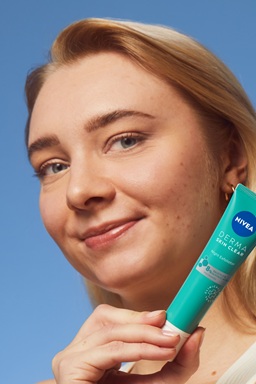
Use a toner to help balance your skin's pH levels and remove any remaining traces of dirt or makeup. The NIVEA Derma Clear Skin Toner, for blemish-prone skin, is formulated with salicylic acid and niacinamide to help rebalance the skin and hydrate it without clogging pores.
NIVEA Clear Up Rebalance & Protect Serum is enriched with Pro-Vitamin B5, niacinamide and hyaluronic acid to help reduce imperfections, soothe the skin and strengthen its cutaneous barrier.
To hydrate the skin without adding excess oil, use a light moisturiser such as the NIVEA Mattifying Day Cream. Formulated with aloe vera and glycerin, it helps to provide deep moisturisation without leaving a shiny appearance. Other ingredients such as hyaluronic acid can also be good additions to your moisturisation step.
**Instrumental test, 31 volunteers

Finish your morning routine with a broad-spectrum sunscreen with SPF 30 or higher, especially if using treatments that may increase sensitivity to the sun. The NIVEA UV Face Shine Control SPF 50 is an ideal option since it helps to absorb excess oil from the skin's surface whilst protecting against UVA/UVB-induced skin damage.
NIVEA Clear Up to Help Reduce Excess Sebum
The range contains the ingredients niacinamide, salicylic acid, and glycolic acid that help to unclog pores, and exfoliate the skin to promote a smoother, more even complexion. Regular use of these products helps to improve skin texture and clarity, making it an ideal solution for those seeking a clearer, healthier-looking complexion.
Why It's Still Important to Wear Sunscreen If You're Experiencing Excess Sebum
Many people experiencing excess sebum worry that sunscreen will make their skin feel greasier, clog pores, and lead to breakouts. However, skipping sunscreen can have serious consequences for your skin health, and so you should always apply SPF before heading outside. Finding the right sunscreen for oily skin can be challenging, which is why NIVEA has developed a sunscreen specifically designed to address these concerns.
The NIVEA Sun UV Face Specialist Clear Up SPF50+ provides immediate face protection from UVA/UVB rays and blue light from the sun, responsible for premature ageing of the skin. With its Anti-Blemish Complex + niacinamide, this face sunscreen does not clog pores and helps prevent skin blemishes.